
Craniosacral
Therapy
A quiet invitation to soften, listen, and receive
When the body is deeply heard.
The body has its own language, wisdom, and timing.
When given the space to be heard, something within us often knows how to move toward greater ease. Craniosacral Therapy is an invitation to listen more deeply, to soften and receive, and to allow the body’s innate healing processes to lead the way.
What is Craniosacral Therapy?
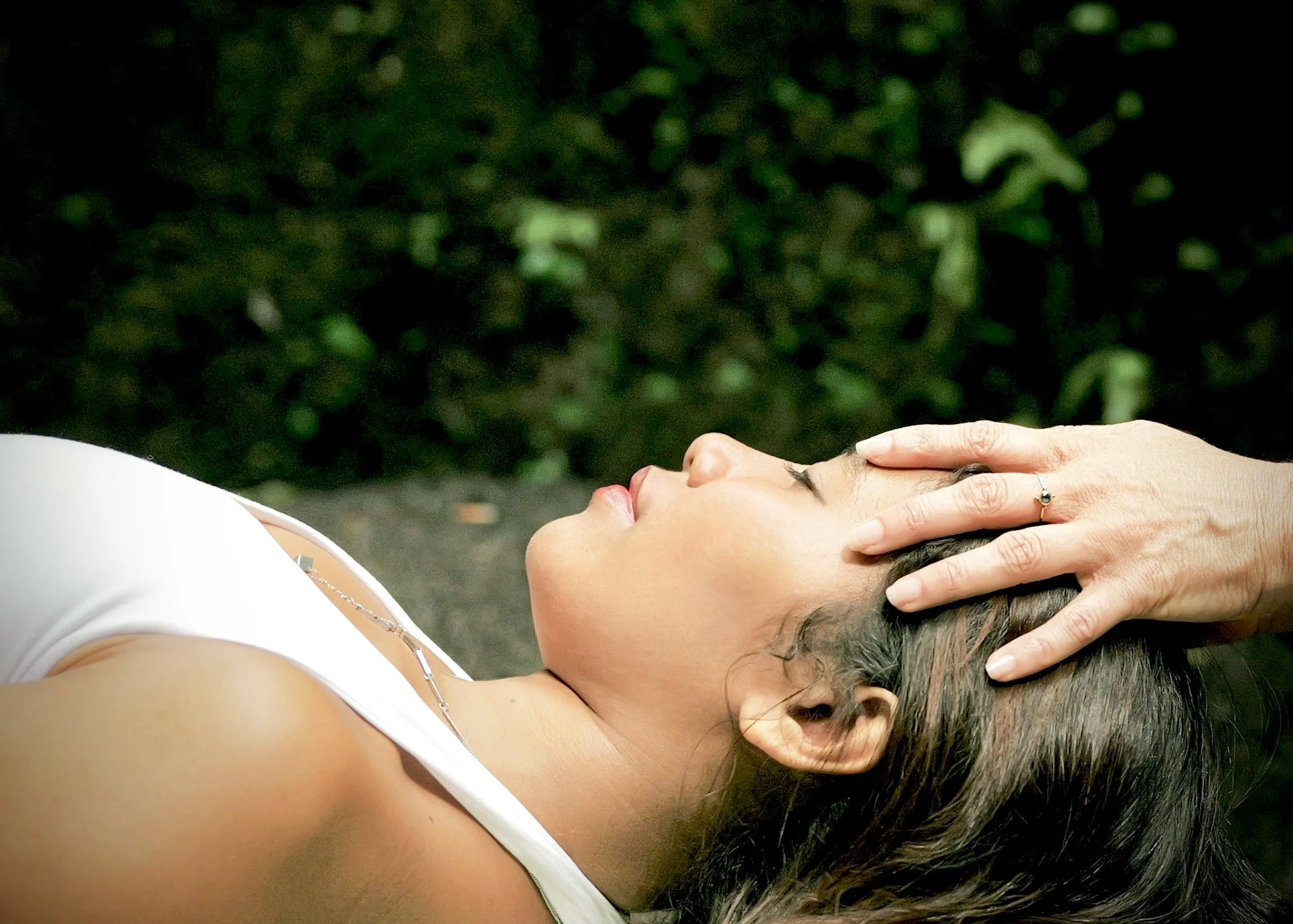
Through gentle, attuned touch, Craniosacral Therapy works with the tissues and structures surrounding and supporting the nervous system, allowing tension to soften and the body’s natural healing and corrective processes to unfold.
Using very light touch along the cranium, spine, sacrum, and other places where tension is held, I listen for subtle patterns of movement and restriction. Rather than directing the body toward a particular outcome, the touch creates space for it to respond in its own way and at its own pace.
Craniosacral Therapy has its roots in osteopathy and was further developed by osteopathic physician Dr. John Upledger. His approach brought an understanding of anatomy together with a deep respect for the body’s inner wisdom and capacity for healing.
Your session.
Every session is different because every body and every moment are different. We listen together and allow the session to unfold from there.
Sessions take place with you fully clothed, lying comfortably on your back on a treatment table. I use gentle hand placements throughout the body, often beginning at the feet or sacrum and moving along the spine and cranium. I may also be drawn to another area where your body is holding tension or asking for support.
Many people enter a deeply restful or meditative state. You may experience warmth, subtle sensations, softening, imagery, or a quiet sense of spaciousness. You may also simply rest.

Reaching deeper patterns.
Our bodies carry the effects of injury, illness, stress, trauma, and all that we have lived through. These experiences can create patterns of tension and protection that remain long after the original event has passed.
Because pain is not always held where it is felt, Craniosacral Therapy listens to the body as a whole. This can make it especially supportive for persistent or complex pain patterns and physical symptoms that have not fully shifted through approaches focused only on the symptomatic area.
As the nervous system feels supported and the tissues begin to soften, the body may find new ways to release and reorganize. The process may be subtle, yet the effects can reach deeply.
SomatoEmotional Release.
The physical and emotional are deeply connected within us. At times, an area of tension may carry feelings, memories, or the imprint of an earlier experience.
SomatoEmotional Release is an aspect of Craniosacral Therapy that makes space for these deeper layers. As the body releases, an emotion, sensation, image, or memory may naturally arise to be felt and integrated.
We do not search for anything or ask the body to relive the past. We stay with what is present and allow what is ready to move to emerge in its own time.
Craniosacral Therapy may support:
Persistent pain patterns
Headaches, migraines, and TMJ or jaw tension
Neck, back, and other areas of chronic tension
Fibromyalgia, immune conditions and chronic fatigue
Recovery from injury, accidents, surgery or whiplash
Concussion and post-concussion symptoms
Stress and nervous system dysregulation
Sleep difficulties and restorative rest
Prenatal, birth and pediatric care
Emotional and somatic holding related to trauma
Greater ease, embodiment, and connection with yourself
Rest into the body’s wisdom.
As the body softens and the inner world becomes quieter, there can be more space to feel yourself from within, to notice the subtle language of sensation, breath, movement, and inner knowing.
Craniosacral Therapy invites a deepening relationship with your body, where listening becomes part of healing and receiving becomes a way of coming home to yourself.
Quisque iaculis facilisis lacinia. Mauris euismod pellentesque tellus sit amet mollis.